#4 – 20133 102nd Avenue, Langley, B.C. V1M 4B4 Canada

#4 – 20133 102nd Avenue, Langley, B.C. V1M 4B4 Canada
Global buyers rarely purchase a product from a drawing alone. They need evidence that the design can survive real use, shipping, assembly, and local market expectations. This is where rapid prototyping becomes commercially important. A physical sample can reveal a sharp edge, weak hinge, poor grip, or packaging problem before mass production begins. It can also help buyers compare materials, finishes, colors, and functional details during supplier discussions.
Tom Chi, a former rapid prototyping leader at Google X, expressed this practical principle: “The goal is not to make the perfect prototype. The goal is to make something that teaches you something.” His comment reflects the experience of international product teams. A prototype placed in a buyer’s hands often produces clearer feedback than several online meetings. A buyer in Germany may question tolerances. A distributor in Brazil may test the product under different handling conditions. These observations can influence tooling, certification planning, production costs, and delivery schedules.
Rapid prototyping also supports more reliable supplier evaluation. Buyers can inspect whether a manufacturer follows the approved dimensions and finish. They can identify communication gaps early. However, prototypes are not perfect forecasts. A printed sample may hide production limitations. A visually attractive model can still fail during high-volume manufacturing. That weakness deserves attention. Experienced buyers therefore combine prototypes with material testing, technical documentation, quality audits, and realistic production samples. The process takes time. It often prevents greater waste later. For global purchasing teams, rapid prototyping is not merely a design shortcut. It is a practical risk-control method for making better decisions across distance, language, and supply-chain uncertainty.
The global additive manufacturing market reached approximately $20.0 billion in 2023, according to the Wohlers Report 2024. It grew by about 11.5% year over year. This expansion reflects stronger demand for faster product development, localized production, and lower tooling risks.
For global buyers, rapid prototyping turns a digital design into a physical sample within days. A buyer can check thread fit, surface texture, wall thickness, and assembly clearance before approving mass production. That practical review matters across different factories, languages, and quality systems. A small design mistake can create expensive delays after tooling begins.
Research from the International Data Corporation shows that manufacturers increasingly use digital workflows to shorten development cycles and improve operational visibility. Additive manufacturing supports this shift by connecting CAD files, prototype testing, and supplier feedback.
Real experience shows that a clear revision record is essential. Buyers should document dimensions, tolerances, test conditions, and approval dates. This evidence improves communication and supports more reliable sourcing decisions. The process is not perfect. That is precisely why early physical testing remains valuable.
Rapid prototyping gives global buyers a faster path from concept to reliable product evidence. Instead of reviewing only drawings, teams can inspect a physical sample within days. They can check dimensions, surface feel, assembly fit, and basic function before larger commitments are made.
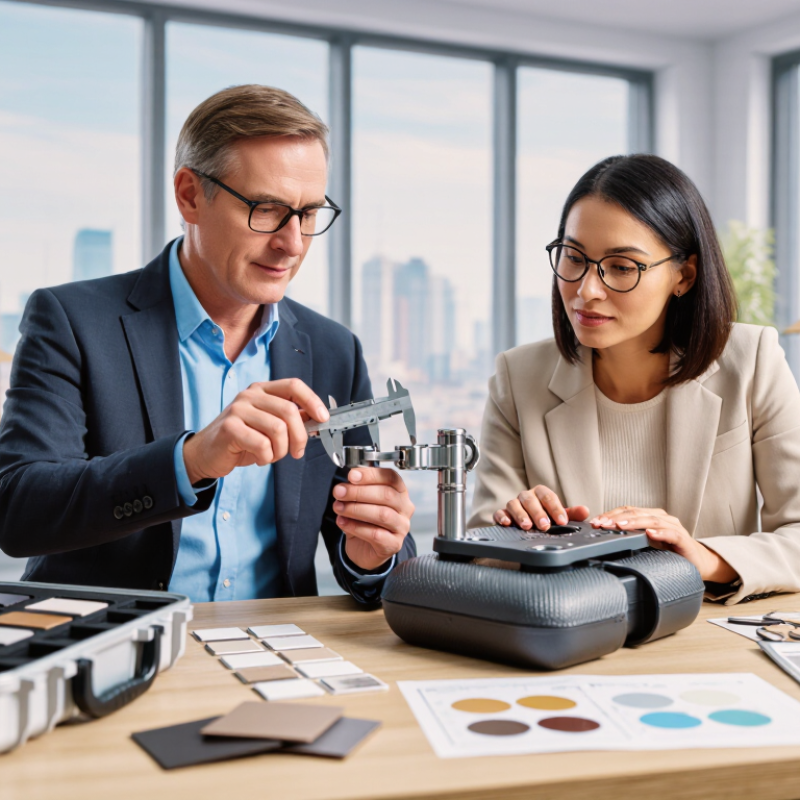
A typical validation cycle may include a CAD review, a printed housing, and a simple functional test. Measurements should be recorded, not remembered. A buyer can compare a 2.5-millimeter wall, a tight connector opening, or a rough edge against the original specification. Clear photos and test notes also help teams in different time zones make decisions without waiting for another meeting.
The first prototype is rarely perfect. That is normal. A sample may fit well but feel too fragile. Another may look accurate but expose an assembly problem. These weaknesses are useful because they appear early, when changes remain practical and affordable. Still, rapid does not mean careless. Material choice, tolerance checks, safety reviews, and documented revisions protect the validation process. A rushed prototype can create false confidence. Buyers should question what the sample proves, what it cannot prove, and which tests are still missing. With each short iteration, uncertainty becomes more visible and product decisions become easier to defend.
Rapid prototyping helps global buyers control costs before mass manufacturing begins. In supplier reviews, I have seen small design mistakes become expensive tooling changes. A prototype can reveal weak joints, poor fit, sharp edges, or difficult assembly steps. These problems are cheaper to correct with ten samples than with ten thousand units.
A realistic prototype also tests material choices and production tolerances. For example, a plastic cover may fit perfectly in a digital drawing but warp after molding. A test unit can expose that risk early. It can also show whether screws, seals, labels, and packaging work together. This detail matters when components cross borders and replacement parts require extra freight.
The process is not a guarantee. A prototype may use a different material or a slower production method. That difference can create false confidence, which buyers should question. Ask for measured dimensions, surface-finish records, and photographs from repeated tests. Compare the approved sample with the manufacturing sample before releasing full production. Include inspection points in the purchase agreement, and keep a small contingency budget for revisions. That may feel cautious. It is usually cheaper than correcting thousands of rejected products, delayed shipments, or unusable packaging.
Why Is Rapid Prototyping Important for Global Buyers?
Rapid prototyping lets global buyers test a part before committing to full production. A physical sample exposes issues that drawings often hide. I have seen a connector fit correctly but fail after heat cycling. That small discovery prevented a costly tooling change. Speed can mislead. A supplier promising five days may still deliver an unstable process.
When comparing suppliers, record lead time from approved files to inspected samples. Ask whether weekends, material sourcing, and revisions are included. Check tolerance reports against critical dimensions, not general claims. A sample measuring 0.08 millimeters outside tolerance can affect assembly. MOQ also matters. A low prototype MOQ may hide a high production minimum. Request separate figures for samples, pilot runs, and repeat orders.
Quality evidence should include inspection methods, material certificates, and photographs of actual parts. Protect sensitive drawings through controlled file access, clear IP ownership, and written limits on subcontracting. Ask for evidence. These steps are practical, but I once focused too heavily on price and overlooked packaging damage. The parts were accurate, yet several arrived scratched. That mistake changed our checklist. Buyers should also compare communication speed and corrective-action records. A polished sample means little if the supplier cannot explain a failed measurement or accept a needed revision.
Rapid prototyping gives global buyers evidence before they commit to production tooling. A physical sample reveals fit, handling, surface quality, and assembly problems early. Digital drawings cannot show every issue. A prototype placed beside a real production fixture often exposes unexpected gaps.
A practical decision framework measures prototype ROI against total purchase risk. Record sample cost, engineering hours, inspection fees, shipping, and expected rework. Then compare these costs with avoided tooling changes or rejected inventory. The calculation is not always favorable. A low-cost prototype may hide expensive testing or repeated revisions. Track each change, including its reason and business impact.
Risk assessment should cover materials, tolerances, packaging, documentation, and supplier communication across time zones. Ask whether the design can survive a pilot run, not only a successful demonstration. Production readiness requires repeatable dimensions, stable material supply, clear quality checkpoints, and realistic capacity. Request a small pilot batch when possible. Inspect several units, measure critical features, and record variation between them. One perfect sample proves little. A rough but consistent batch can be more informative.
Buyers should also document open questions before approving mass production. Some decisions will remain uncertain. That is normal. The goal is not perfect prediction, but better evidence, fewer surprises, and a defensible purchase decision.