#4 – 20133 102nd Avenue, Langley, B.C. V1M 4B4 Canada

#4 – 20133 102nd Avenue, Langley, B.C. V1M 4B4 Canada
Choosing the best injection moulding process in 2026 means matching production realities to part requirements. It is less about chasing a new machine. Buyers should compare material, geometry, tolerances, annual volume, and expected product life before requesting quotations. A thin-walled electronics housing creates different flow and cooling demands from a thick, load-bearing connector. Details matter. Resin selection also affects shrinkage, surface finish, cycle time, and whether recycled content suits the application. These decisions shape tooling design, press size, and the risk of costly adjustments after sampling.
A reliable supplier should explain how it controls melt temperature, injection speed, holding pressure, cooling, and inspection—not merely promise a low unit price. Ask for evidence from comparable parts, clear assumptions behind the quote, and a plan for sample checks and process changes. For complex components, insert moulding, overmoulding, or gas-assisted methods may help, but added complexity should deliver a measurable benefit. There is no shortcut. This guide compares process options, tooling and material considerations, quality checks, lead times, and total cost of ownership. It also flags trade-offs buyers can miss when a quotation focuses only on piece price. Real projects rarely follow a perfect spreadsheet. Confirm critical dimensions, appearance standards, and production forecasts early, then test assumptions with sample parts and documented results. The best choice repeatedly produces acceptable parts at a sustainable cost and rate.
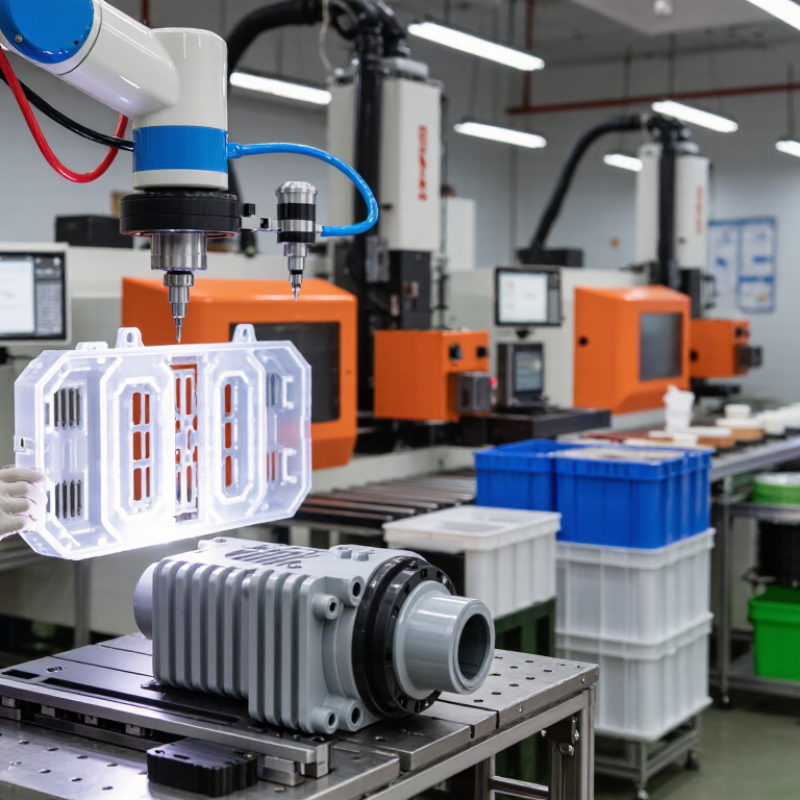
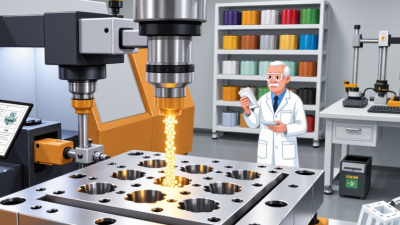
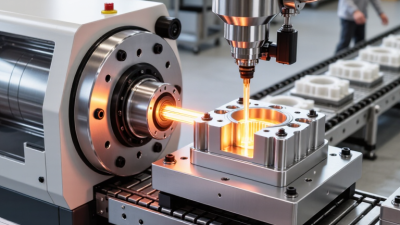
Injection moulding begins when plastic pellets enter a heated barrel and soften into a consistent melt. A rotating screw pushes the material through a nozzle into a closed steel mould. Pressure fills narrow ribs and corners, while the mould’s cooling channels remove heat. Then comes cooling. The part must become firm enough to eject without bending or leaving marks.
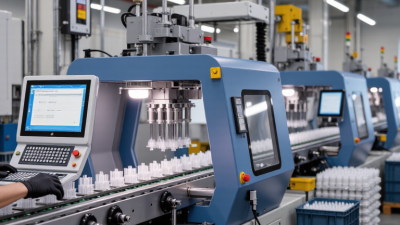
After cooling, the mould opens and ejector pins release the part. Operators inspect dimensions, surface finish, and signs of short shots or warping. A stable process depends on material choice, part geometry, mould design, and machine settings. Adjustments to temperature, pressure, or cooling time can affect both quality and cycle time. A clean first shot is encouraging, but it does not prove production will stay consistent.
Tips: Ask how the supplier will test the actual resin and part design, not just a similar sample. Check whether critical dimensions are measured across multiple shots. Small details matter. Cooling time is easy to overlook, and a rushed cycle may cause distortion that appears only after the part cools fully. Process notes should record key settings and inspection results.
Key Types of Injection Moulding
Injection moulding covers several processes, and the right choice depends on material, geometry, volume, and performance needs. Conventional thermoplastic moulding suits many rigid housings and clips: pellets melt, fill a steel cavity, and cool into shape. Thermoset moulding uses heat to cure materials that do not remelt, making it useful for parts needing heat resistance. The distinction matters. A wrong material choice can affect durability and production cost.
Insert moulding bonds a metal or other component into the plastic part during moulding. Overmoulding adds a second material, often a softer grip over a rigid base. Gas-assisted moulding can reduce material in thick sections, but tool design becomes more demanding. Grand View Research estimated the global injection moulding market at USD 284.1 billion in 2023, with projected growth of 4.7% annually through 2030. PlasticsEurope reported 413.8 million tonnes of global plastics production in 2023. These figures show scale, not a forecast for any buyer’s part. A quick cycle-time comparison can mislead; resin choice, wall thickness, and tolerance requirements may change the economics. The boundary between process types can blur. That deserves a closer look.
2026 Best Injection Moulding Process for Buyers?
Materials, Part Design, and Tooling Requirements
Material selection starts with the part’s job, not its price per kilogram. A damp nylon resin can cause splay marks, while a poorly matched resin may soften near heat or crack under chemical exposure. Check drying needs, shrinkage, impact strength, and operating temperature with the moulder before freezing the specification. Grand View Research valued the global injection-moulded plastics market at USD 284.5 billion in 2023. That scale rewards careful choices, but market growth alone cannot validate a design.
Keep wall thickness as uniform as practical. Sudden changes can create sink marks, warpage, or longer cooling cycles. A 2 mm wall beside a thick boss is a familiar trouble spot. Use ribs and gussets instead of adding bulk; keep ribs thinner than the main wall, then confirm dimensions with a tooling engineer. Draft also matters. Even a modest angle can help a part release cleanly, though texture and resin alter the requirement. Small details matter.
Tooling should reflect volume, finish, and tolerance—not just the lowest quote. Ask for a gate location, cooling plan, and parting-line review before steel is cut. ASTM D955 provides a method for measuring moulding shrinkage, but actual shrinkage varies with material, geometry, and process settings. I would not treat a catalogue value as a guarantee. Trial shots may still reveal surprises, especially around thick sections and tight dimensions.
Typical part-design starting points for thermoplastic injection moulding, expressed as a percentage of the nominal wall thickness.
These are general design guidelines, not fixed specifications. Suitable values depend on the resin grade, part geometry, appearance requirements, and tooling design; confirm them with a moulding and tooling engineer.
How to Choose a Process for Your Product
Choose a moulding process around the part, production volume, and material—not just the machine price. Standard injection moulding suits repeatable parts with steady demand. Insert moulding can secure metal components inside plastic, while overmoulding adds a softer grip to a rigid base. Undercuts may need side actions, which increase tooling complexity. Keep it practical. A clean CAD render is not proof that a part will fill evenly or release cleanly.
Material choice matters beyond strength and appearance. Plastics Europe’s 2024 report estimates global plastics production reached 413.8 million tonnes in 2023. The OECD’s Global Plastics Outlook reports that only 9% of plastic waste was recycled in 2019. These figures do not select a moulding method for you, but they reinforce the value of designing for material efficiency and end-of-life handling. Thin walls can reduce resin use, yet they may create filling or warpage problems. There is no perfect shortcut.
Tips: Ask a moulder to review wall thickness, draft, gate position, and expected annual volume before tooling begins. Prototype critical features, especially snap-fits and sealing surfaces. Compare the cost of a simpler design against the cost of complex tooling. I would not skip this review; small design changes can save expensive revisions later.
A reliable injection moulding supplier should show more than a low unit price. Ask for recent examples using similar resin, part size, and tolerance. Request a documented quality plan covering first-article inspection, in-process checks, and corrective actions. PlasticsEurope’s Plastics—The Fast Facts 2024 report estimates global plastics production at 413.8 million tonnes in 2023. That scale makes material traceability and consistent process control practical buying questions, not paperwork extras. Check whether the supplier can provide resin certificates and batch records.
Compare total cost, not just the quoted mould and part prices. Include tooling maintenance, sampling, packaging, freight, and likely scrap. For lead time, ask for a dated schedule that separates design approval, tool build, trial shots, corrections, and production. A short promise may hide a long sampling queue. I would also ask what happens when the first trial misses a critical dimension; this is often where estimates prove optimistic. Review a sample inspection report and confirm how measurement equipment is calibrated.
Tips: Send a marked-up drawing, annual volume, resin preference, and key dimensions with your request. Ask for a written quote with assumptions and exclusions. Then compare suppliers on the same specification. One detail buyers sometimes overlook: a cheaper tool can need more frequent maintenance. Verify the expected service life against your actual production volume.
| Buyer Check | What to Evaluate | Useful Data or Planning Range | Questions to Ask the Supplier | Buyer Action |
|---|---|---|---|---|
| Part and process suitability | Part geometry, resin, expected volume, appearance, strength, and operating environment. | Injection moulding is generally most economical for repeat production because the mould requires upfront investment. Suitability and unit cost depend on part complexity, material, quantity, and finishing requirements. | Is the selected resin suitable for the part’s temperature, chemical exposure, UV exposure, and mechanical loads? | Provide a 3D model, 2D drawing, material requirements, annual volume estimate, and cosmetic criteria before requesting a quotation. |
| Design for moulding | Wall consistency, draft, ribs, bosses, corners, undercuts, and gate location. | Uniform walls help reduce uneven cooling, sink, and warpage. Draft is commonly designed into moulded walls; the required amount depends on resin, surface texture, and part geometry. | Will the supplier review the design for mouldability and identify likely sink, weld-line, ejection, or warpage risks? | Request a documented design-for-manufacturing review and agree on any design changes before tooling begins. |
| Supplier capability | Machine capacity, process controls, engineering support, traceability, and experience with the required resin and part size. | Machine selection depends on shot size, mould dimensions, tie-bar spacing, and required clamping force—not tonnage alone. | Can the supplier share relevant machine specifications, process-monitoring records, and examples of comparable work without disclosing confidential customer information? | Check that the proposed machine can accommodate the mould and shot, with appropriate process and quality controls. |
| Tooling scope and ownership | Mould design, number of cavities, steel or aluminium selection, hot or cold runner, spare components, maintenance, and ownership terms. | Tooling cost and service life vary significantly with mould material, complexity, maintenance, resin abrasiveness, and production conditions. No single tool-life figure applies to every mould. | What is included in the tooling price? Who owns the mould, where is it stored, and what are the transfer and maintenance terms? | Get a written tooling specification, ownership clause, maintenance plan, and list of excluded costs. |
| Quality system and inspection | Incoming material checks, first-article inspection, in-process controls, final inspection, nonconformance handling, and lot traceability. | Inspection frequency and acceptance criteria should be defined for the part’s risk and drawing requirements. AQL sampling plans are not a substitute for agreed critical-feature controls. | Which dimensions are measured, with what equipment, and how are results recorded and linked to production lots? | Identify critical-to-quality dimensions and approve a control plan and inspection report format before production. |
| Dimensional tolerances | Drawing tolerances, datum scheme, measurement method, resin shrinkage, and environmental conditioning. | Achievable tolerances depend on resin, part size, geometry, mould design, process stability, and measurement conditions. Tight tolerances may require added tooling and inspection effort. | Can the supplier demonstrate capability on critical dimensions using the specified resin and measurement conditions? | Apply tight tolerances only where function requires them, and specify datums and inspection conditions clearly. |
| Material control | Resin grade, colour, additives, recycled content, drying requirements, and material substitutions. | Moisture-sensitive resins may require drying before moulding. Drying conditions are grade-specific and should follow the resin manufacturer’s technical data sheet. | Will the supplier use the approved resin grade and provide batch or lot traceability? How are substitutions controlled? | Specify the material grade and approval process for any alternate resin, colourant, or recycled content. |
| Cycle time and production capacity | Cooling time, automation, cavity count, machine availability, scrap rate, and planned shifts. | Cycle time is part- and process-specific; cooling often makes up a substantial portion of the cycle. A quoted cycle time should be validated during production trials. | Is the quoted cycle time based on a trial or an estimate? What assumptions are used for uptime, yield, and capacity? | Request trial data and a capacity calculation based on expected demand and agreed quality criteria. |
| Tooling and sample lead time | Design approval, mould build, material procurement, trial schedule, sample review, and corrective-action time. | For planning only, new mould programmes commonly take several weeks and can extend to a few months depending on complexity, sourcing, and approval cycles. Confirm dates against the actual project plan. | What are the milestones for design freeze, mould completion, first samples, revisions, and production approval? | Ask for a dated schedule with dependencies, review windows, and contingency for tooling changes. |
| Production lead time | Order quantity, resin availability, mould availability, queue time, inspection, packing, and shipping. | Repeat-order lead time depends on available capacity and material supply; it should be quoted separately from new-tooling lead time. | Does the quoted lead time start at order confirmation, material receipt, or another milestone? Is shipping included? | Confirm the start point, delivery terms, batch size, and schedule for repeat orders in writing. |
| Cost transparency | Tooling, unit price, material, setup, finishing, inspection, packaging, freight, duties, and payment terms. | Unit cost is influenced by resin consumption, cycle time, cavities, scrap, labour, finishing, and order quantity. Compare quotations using the same assumptions and delivery terms. | Which costs are one-time, recurring, or excluded? Are price breaks tied to minimum quantities or forecast commitments? | Compare total landed cost and lifecycle cost, not just the mould price or quoted unit price. |
| Production approval and change control | First-article approval, approved sample retention, process settings, drawing revisions, and engineering changes. | Changes to resin, tooling, process settings, or part design can affect fit and performance; changes should be evaluated and documented before release. | How are deviations, process changes, and tooling repairs reviewed and approved? | Define a written approval process and retain an approved reference sample where appropriate. |
| Risk and contingency planning | Single-source dependencies, spare inserts, mould storage, resin availability, and recovery plans. | Contingency options depend on tooling design, compatible machines, material availability, and transfer readiness. | What is the recovery plan for mould damage, material shortages, or a production interruption? | Assess business continuity needs and document backup arrangements before placing a production order. |
Planning note: Ranges and general guidance are indicative, not guarantees. Actual cost, tolerances, tool life, cycle time, and lead time depend on the part, resin, mould, supplier capacity, and agreed inspection requirements. Validate project-specific figures with the supplier before purchase.