What Are the Top Contract Injection Molding Companies?

What Are the Top Contract Injection Molding Companies?

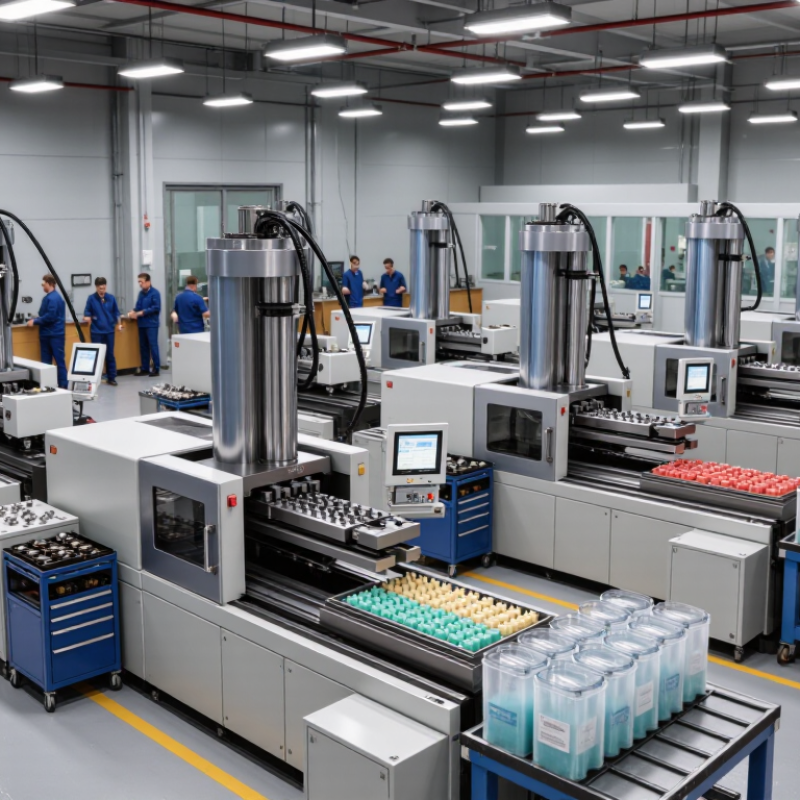
Choosing a contract injection molding partner is more complex than comparing hourly rates. A reliable supplier must control tooling, material traceability, process validation, and delivery performance. These details become visible on the factory floor: labeled resin containers, documented mold changes, and consistent parts leaving every press.

Industry data shows why this market deserves careful evaluation. Grand View Research valued the global injection molded plastics market at approximately $387.98 billion in 2023. Its report forecasts continued growth through 2030, supported by automotive, medical, packaging, and consumer product demand. MarketsandMarkets also identifies automation, lightweight components, and specialized medical molding as important growth drivers.

The numbers are useful. They are not enough.

John Bozzelli, founder of Injection Mold Consulting and a recognized scientific molding educator, has stated, “The mold is the heart of the injection molding process.” That principle should guide every supplier comparison. A company may advertise advanced presses, yet weak mold maintenance can still produce flash, short shots, or dimensional drift.

This guide examines leading contract injection molding companies through practical criteria. These include certifications, engineering support, cleanroom capabilities, tooling ownership, production scale, and quality systems. It also considers customer experience, because delayed feedback can disrupt an otherwise strong program.

Some rankings remain subjective. Public data is uneven. Therefore, readers should verify current certifications, audit results, capacity, and quoted lead times before selecting a partner. The best contract injection molding company is not always the largest. It is the one that repeatedly delivers compliant parts, clear communication, and measurable process control.

What Are the Top Contract Injection Molding Companies?

What Is Contract Injection Molding and How Does It Work?

Contract injection molding is outsourced plastic production under a defined manufacturing agreement. A company supplies the product design, material requirements, and quality targets. The contract molder converts those requirements into repeatable parts.

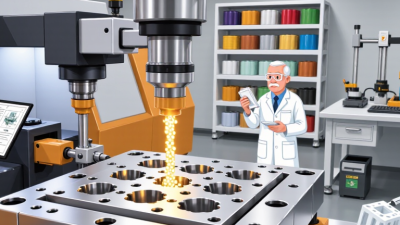
The process usually begins with design-for-manufacturing review. Engineers check wall thickness, draft angles, ribs, tolerances, and likely shrinkage. A mold maker then builds the tool, often using hardened steel or aluminum. During production, plastic pellets are heated and injected into the mold cavity. The part cools, ejects, and moves through inspection, trimming, assembly, or packaging.

The workflow sounds tidy, but it rarely is. Material moisture, mold wear, and small temperature changes can alter results. Grand View Research valued the global injection molded plastics market at about 387.7 billion dollars in 2022. Fortune Business Insights estimated the injection molding machine market at approximately 15.8 billion dollars in 2023. These figures show the process operates at serious industrial scale, not merely as a sourcing shortcut. Quality systems based on ISO 9001 can strengthen traceability, though certification alone cannot fix weak engineering decisions.

Tips: Request a mold-flow study before approving tooling. Confirm resin grades, inspection methods, tolerance limits, and ownership terms in writing. Ask for pilot samples from production-intent equipment. A polished sample from a temporary setup may hide future problems. Also review cycle time and scrap data. These details often decide the real unit cost.

What Are the Top Contract Injection Molding Companies? - What Is Contract Injection Molding and How Does It Work?

Evaluation Dimension Typical Industry Practice or Range How Contract Injection Molding Works What to Verify When Comparing Suppliers
Core manufacturing process Thermoplastic pellets are heated, injected into a mold, cooled, and ejected as finished parts. The molding provider manages tooling, machine setup, production, inspection, and delivery under a customer contract. Confirm whether the supplier provides complete production management or only machine time.
Production volume Injection molding is used for prototypes, low-volume production, and high-volume manufacturing; economical volume depends on tooling cost, part design, and cycle time. A contract manufacturer produces parts according to approved forecasts, purchase orders, and quality requirements. Request minimum order quantities, monthly capacity, lead times, and production flexibility.
Machine capability Presses commonly range from small machines below 100 tons to large machines above 1,000 tons of clamping force. Clamping force holds the mold closed against injection pressure and must match projected part area, material, and mold design. Check available clamp-force range, shot size, platen dimensions, automation, and machine utilization.
Common material families Common choices include polypropylene, polyethylene, ABS, polystyrene, polycarbonate, nylon, acetal, and thermoplastic elastomers. Material pellets are dried when required, melted in the barrel, and injected through a nozzle into the mold cavity. Verify resin handling, drying controls, lot traceability, recycled-content requirements, and material certifications.
Tooling and mold ownership Molds may be customer-owned, supplier-owned, or governed by a shared ownership agreement. The mold creates the part geometry and may include hot runners, cold runners, slides, inserts, or multi-cavity layouts. Review tool ownership, maintenance responsibility, storage, transfer rights, repair approval, and end-of-life terms.
Cycle-time drivers Cooling is often a major portion of the cycle; wall thickness, resin, mold temperature, part size, and automation affect output. The machine repeats the injection, packing, cooling, mold-opening, and ejection sequence for each cycle. Ask for validated cycle times, expected hourly output, downtime assumptions, and spare-capacity plans.
Dimensional control Achievable tolerance depends on resin shrinkage, part geometry, mold construction, process stability, and measurement method; no single tolerance applies to every part. Process parameters are controlled to keep molded dimensions within drawing tolerances across production lots. Require a tolerance review, capability study, inspection method, gauge plan, and acceptance criteria before production approval.
Quality management A mature supplier uses documented procedures, incoming inspection, in-process controls, final inspection, corrective action, and record retention. Quality data are collected during development and production to confirm that parts meet drawings and agreed specifications. Check applicable certifications, audit results, nonconformance procedures, statistical process control, and traceability practices.
Secondary operations Available services may include trimming, ultrasonic welding, heat staking, pad printing, painting, insert assembly, packaging, and kitting. The contract manufacturer can combine molding with post-molding operations to deliver a more complete component or assembly. Determine whether operations are performed in-house or through controlled subcontractors and define inspection responsibility.
Design-for-manufacturing support Typical reviews address draft angles, uniform wall thickness, ribs, bosses, weld lines, sink marks, gate locations, and ejection. Design feedback is provided before mold construction to reduce defects, tooling changes, and production delays. Evaluate engineering resources, mold-flow analysis capability, design-review documentation, and revision-control procedures.
Regulated-industry readiness Medical, automotive, aerospace, food-contact, and electrical applications may require additional validation, documentation, or material controls. The supplier follows the customer’s validation, change-control, documentation, and traceability requirements. Confirm relevant certifications, validation protocols, cleanroom or controlled-environment capability, and regulatory documentation.
Commercial and supply-chain performance Performance is commonly assessed through quality, delivery, cost, responsiveness, capacity, and risk-management metrics. The provider coordinates purchasing, production scheduling, inventory, packaging, logistics, and issue resolution under agreed service levels. Compare quoted tooling and piece prices, payment terms, forecast policies, delivery performance, business-continuity plans, and communication procedures.

Note: The ranges and practices shown are general industry benchmarks. Actual capability, tolerances, capacity, cost, and lead time depend on the part design, resin, mold construction, equipment, quality requirements, and production volume.

Which Factors Define a Top Contract Injection Molding Company?

A top contract injection molding company is defined by controlled execution, not impressive machinery alone. During a plant audit, ask for process capability data, mold-maintenance records, and recent corrective-action reports. ISO’s 2023 Survey recorded more than 1.2 million ISO 9001 certificates worldwide, but certification alone cannot prove consistent molding performance. The supplier should connect quality records to actual parts, cavities, materials, and production dates.

Engineering depth matters just as much. A capable partner reviews wall thickness, draft angles, weld lines, shrinkage, and cooling before cutting steel. It should also provide documented design-for-manufacturing feedback and realistic tool-life estimates. According to the 2024 Plastics Industry Association recycling report, mechanical recycling remains limited compared with total plastics demand. Therefore, material selection, recycled-content verification, and scrap segregation deserve measurable controls, not vague promises.

Capacity is another test. Top suppliers balance injection pressure, clamp force, automation, inspection, and backup equipment. Ask how they handled an unexpected mold failure last year. The answer may reveal more than a polished presentation. Delivery reliability should include on-time performance data, safety-stock rules, and traceability from resin lot to shipment. Cost still matters, but the lowest quote can hide unstable cycle times, excessive scrap, or weak tooling support. No scorecard is perfect. A thoughtful buyer should revisit it after the first production run.

How Do Leading Companies Compare by Services and Capabilities?

Top contract injection molding companies differ less by equipment lists than by execution. Strong providers support design reviews, mold construction, material selection, molding, assembly, and packaging. Some focus on high-volume automotive parts. Others handle medical housings, electronic enclosures, or short production runs. Their capabilities may include multi-cavity tooling, insert molding, overmolding, and cleanroom production. A supplier’s certifications matter, but daily process control matters more.

Compare their engineering depth carefully. Can the team identify sink marks before tooling begins? Can it manage tight tolerances across thousands of parts? Leading companies usually offer mold-flow analysis, automated inspection, and documented quality systems. They also explain cycle times, maintenance plans, and backup capacity. This transparency builds trust. Still, no supplier performs perfectly in every area. A company with advanced machines may provide weak design communication. That gap can become expensive.

Tips: Ask for sample inspection reports, not only equipment photographs. Request a realistic timeline covering design approval, tooling, validation, and production. Check how the team handles resin changes, color variation, and late engineering updates. I would also test communication with a small project. It may reveal more than a polished presentation. Compare total operating value, not just the quoted piece price. A cheaper mold can bring slower revisions, higher scrap, or limited future capacity.

Which Industries Commonly Use Contract Injection Molding Services?

Contract injection molding is common in industries that need repeatable plastic parts without owning every machine, mold, and operator. Medical device makers use it for housings, diagnostic components, fluid-handling parts, and disposable trays. Production may occur in controlled rooms, with documented material lots and visual inspections. Small defects matter. A short shot near a connector can delay an entire assembly. Experienced suppliers also support validation, traceability, and packaging requirements, although controls depend on the product’s risk classification.

Automotive companies often outsource clips, sensor covers, lighting components, and interior structures. These parts must tolerate vibration, heat, cleaning chemicals, and tight dimensional limits. Electronics manufacturers request molded enclosures, cable guides, buttons, and protective overmolds. Mold design and resin selection affect fit, appearance, and heat management. I have seen projects stall because a minor draft angle was ignored during design review. It was not dramatic, but it changed the tooling schedule.

Consumer products, appliances, industrial equipment, and packaging companies also use contract molders. They value scalable production when demand shifts between pilot runs and full-volume orders. A supplier may run a few hundred samples, then thousands of parts on automated cells. That sounds efficient. It is not always simple. Recycled resin, color consistency, cycle time, and end-of-life plans require honest review. Aerospace and laboratory equipment producers may need tighter documentation and specialized materials. Teams should examine process capability data, inspection records, mold maintenance, and communication during real production problems.

How Can Businesses Select the Right Contract Injection Molding Partner?

Selecting a contract injection molding partner requires more than comparing hourly rates. According to Deloitte’s 2024 Smart Manufacturing Survey, 86% of manufacturers expect smart manufacturing to become a major competitiveness driver within five years. Ask whether the supplier connects molding machines, inspection records, and material certificates. Digital visibility matters.

Review the engineering process before approving a quote. A capable partner should provide design-for-manufacturing feedback, mold-flow analysis, resin recommendations, and documented process validation. Request recent capability data, including Cpk results for critical dimensions, scrap rates, and first-pass yield. The 2023 ISO Survey recorded more than 1.2 million ISO 9001 certificates worldwide. Certification helps, but it does not replace plant-level evidence. Walk through the toolroom. Inspect a production cell.

Commercial reliability deserves equal attention. Confirm mold ownership, maintenance responsibilities, backup equipment, lead-time assumptions, and capacity during peak demand. Ask for a realistic response plan when resin prices rise or a mold fails. A polished forecast can still be wrong. That weakness should be discussed openly. Check references from projects with similar tolerances, volumes, and regulatory documentation needs. Also compare total cost, including tooling changes, freight, inspection, rejected parts, and inventory. The cheapest quote may become expensive at the first engineering change. Choose the partner that explains risks clearly, measures performance consistently, and leaves an auditable trail from pellet to packaged component.

How Can Businesses Select the Right Contract Injection Molding Partner?

This 100-point scorecard prioritizes the factors commonly used in contract manufacturing decisions: quality systems, technical capability, delivery reliability, total cost, tooling and design-for-manufacturing support, and compliance traceability. The weighting is a practical evaluation framework rather than a ranking of individual companies.

Your trusted partner for all your precision injection molding needs … and more