#4 – 20133 102nd Avenue, Langley, B.C. V1M 4B4 Canada
#4 – 20133 102nd Avenue, Langley, B.C. V1M 4B4 Canada
Choosing a contract injection molding company can shape a product’s quality, cost, and launch schedule. The best partner does more than run a press; it helps manage tooling, materials, production controls, and changing demand. A low quote may look attractive, yet it can omit mold maintenance, inspection, or packaging costs. Ask what the price includes before comparing proposals.
Look for experience with your part’s resin, dimensions, tolerances, and expected production volume. Request examples of similar work, along with details about equipment capacity and quality checks. On a factory visit, observe how operators handle resin, document setup changes, and separate rejected parts. Details matter. Ask to see them. Records such as inspection results, process parameters, and mold-service logs can help confirm that stated procedures are followed. They cannot guarantee every future batch, but they make performance easier to assess.
Communication deserves equal attention. A capable team should explain design risks, sampling steps, production timing, and how it reports problems. Notice whether answers are specific or mostly reassuring. No supplier is perfect. Your own requirements may also change as prototypes reveal weaknesses. Choose a company willing to discuss those uncertainties, document decisions, and propose practical next steps. A careful selection process takes time, but it can reduce costly surprises and build a more dependable manufacturing relationship.

Before contacting a contract injection molding company, define what the part must do and where it will be used. Describe its dimensions, expected loads, operating temperature, and any surface or color requirements. A housing used outdoors may need different material properties from a small indoor clip. That matters. Share drawings or a 3D model, but flag dimensions that are still under review. A supplier cannot quote accurately when critical details are missing.
Estimate both launch quantities and likely annual demand. State whether you need a few hundred parts for testing, steady monthly production, or seasonal volume changes. These figures affect mold design, machine selection, and unit cost. Be realistic about growth; an optimistic forecast can lead to an expensive tool that sits idle. I still find this part easy to underestimate. Include packaging, assembly, trimming, and other secondary work in the request, since these steps can change the full production cost.
Set practical quality requirements before comparing suppliers. Identify critical dimensions, acceptable variation, inspection needs, and how parts should be labeled or packed. If a feature is cosmetic, provide photos or a clear description of acceptable marks. Ask how the company documents material lots, process settings, and inspection results. Keep it practical. You may not know every tolerance yet, and that is worth stating openly. A capable partner can help identify which details need testing before production begins.
A contract injection molding company’s relevant experience should match your part, not just your industry. Ask about similar materials, part sizes, wall thicknesses, and tolerance requirements. A supplier that has molded small precision housings may not be ready for a large, flexible enclosure. The difference shows up in tool design, process settings, and inspection methods.
Ask for specific examples, with sensitive customer details removed if needed. How did the team handle sink marks, short shots, or inconsistent dimensions? What changed in the mold or process, and how was the result checked? Request examples of production records, inspection plans, and corrective actions. That matters. A polished case study is useful, but it is not proof by itself. Ask why. Probe whether the work involved steady production or only a successful sample run.
Experience also means knowing what a supplier has not done. Discuss expected volumes, resin availability, tooling maintenance, and how design changes are managed. Have the team explain a recent production problem in plain language; vague answers may signal limited hands-on involvement. Check that the people who will support your project have relevant experience, not only the sales team. I might still miss a detail in a first meeting, so share drawings and requirements early, then confirm assumptions in writing before tooling begins.
When choosing a contract injection molding company, match its machines to your part, not just its largest press. Check clamping force, shot capacity, tie-bar spacing, and whether the proposed press can hold a stable process across your expected production volume. Ask to see maintenance records and sample process logs. A tidy shop floor helps, but it proves little on its own. Ask for records.
Material control matters just as much. Confirm resin grades are approved for your application, and ask how staff identify lots, store pellets, and verify drying conditions. Moisture-sensitive resin handled carelessly can cause visible defects and inconsistent dimensions. Quality checks should cover first articles, in-process measurements, and final inspection. Request capability data from a comparable part, including how critical dimensions are monitored and what happens when readings drift. Deloitte’s 2024 Smart Manufacturing Survey found that 92% of surveyed manufacturers expect smart manufacturing to drive competitiveness within three years; useful data systems can support that goal, but software alone cannot guarantee quality. Review actual inspection records and traceability examples. No checklist catches every variation. Ask how the team handles a deviation, who approves adjustments, and how corrective actions are verified.
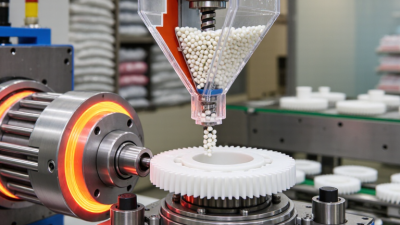
Assess whether the molder’s equipment and process controls can handle the materials your part requires.
Typical melt-processing temperature ranges for selected thermoplastics, shown in °C. Actual processing windows vary by resin grade and supplier; confirm the material data sheet and validate settings with the molding company.
Choosing a contract injection molding company requires more than comparing the quoted price. Check what each quote includes: mold design, tooling, resin, sampling, inspection, packaging, and freight. A low unit price may exclude costs that appear later. Ask for assumptions in writing, especially annual volume and acceptable part tolerances. If your drawings are incomplete, treat the estimate as provisional.
Compare lead times against specific milestones, not a single delivery date. Ask when tooling starts, when first samples arrive, and how revisions affect production. Communication matters when a mold needs adjustment. Find out who answers technical questions and how quickly you can expect updates. A polished sales call is useful, but clear follow-up notes are better.
Tips: Send the same part specifications and forecast to every supplier. Request a sample schedule, a cost breakdown, and a named contact. Check whether the supplier can explain likely delays plainly.
Supply chain support can affect every schedule. Ask how resin availability is monitored, whether substitute materials require your approval, and how production changes are reported. Request examples of inspection records and shipment updates. Notice small gaps. A supplier may be capable, yet a vague response about material sourcing deserves another question. Companies can also overpromise; compare stated capacity with the equipment and production plan proposed for your parts.
A capable contract injection molder should show that compliance is built into daily production, not just a polished audit binder. Ask for current quality-system certificates, inspection procedures, lot traceability, and records showing how nonconforming parts are contained. Check whether its documentation matches your requirements for material approval, change control, and tool maintenance. Ask to see a sample batch record. Small details matter.
Contracts should define ownership of molds, maintenance costs, storage, approved materials, inspection criteria, and responsibility for scrap or late deliveries. Require written notice before process or material changes, plus clear rules for access to production records. Do not rely on vague promises like “consistent quality.” A contract can look complete and still leave practical gaps; review the actual production scenarios that could create disputes.
Production readiness means verified capacity, trained operators, preventive maintenance, and a realistic ramp-up plan. Deloitte and the Manufacturing Institute’s 2024 workforce study estimates that 1.9 million U.S. manufacturing jobs could go unfilled by 2033, underscoring the value of checking staffing and cross-training plans. That figure covers manufacturing broadly, not injection molding alone. Request recent uptime, scrap, and on-time delivery data, then compare it with your forecast and order profile. Ask how the supplier handles a press breakdown during a launch. Their answer may be imperfect; look for evidence, not confidence alone.
| Review Area | What to Verify | Evidence to Request | Decision Signal |
|---|---|---|---|
| Quality Management System | Confirm that documented procedures cover design and process changes, nonconforming product, corrective action, calibration, training, and record retention. | Current quality manual or process overview; relevant procedures; audit summary; certification scope and expiration date, if certified. | Defined and auditable Certification should match the facility and activities involved; it does not replace a review of actual controls. |
| Regulatory Fit | Match the supplier’s regulatory experience and controls to the intended product and market. Requirements vary by product type and jurisdiction. | Applicable registrations or certificates; product-specific quality records; explanation of how regulatory responsibilities are allocated. | Scope is relevant Do not treat a registration, listing, or quality certificate as government approval of a particular product. |
| Material Control | Check material identification, approved supplier controls, lot traceability, storage conditions, and handling of customer-supplied resin or additives. | Material specifications; sample certificates of analysis or conformity; lot-traceability example; storage and shelf-life procedures where applicable. | Traceable lots Records should connect incoming material lots to production batches and finished parts where required. |
| Process Validation and Control | Review how molding parameters are established, documented, monitored, and controlled, including setup approval and process changes. | Process qualification or validation plan, where appropriate; setup sheets; process monitoring records; reaction plan for out-of-control conditions. | Repeatable process Controls should be appropriate to part risk, tolerances, volume, and customer requirements. |
| Inspection and Measurement | Confirm that inspection methods address drawing requirements, critical dimensions, sampling plans, and measurement-system suitability. | Inspection plan; sample dimensional report; equipment calibration records; gauge capability or measurement-system study when appropriate. | Requirements measurable Acceptance criteria and measurement methods should be agreed before production approval. |
| Tooling Ownership and Care | Define ownership, identification, maintenance, repair approval, storage, access, and return or transfer of molds and related tooling. | Tooling register; maintenance plan; sample tool-status record; proposed terms for tool access, transfer, and end-of-contract return. | Ownership explicit Contract terms should state who owns each tool and who pays for maintenance, repair, or replacement. |
| Production Capacity | Assess available machine tonnage, press and auxiliary equipment, operating schedules, current loading, and backup arrangements. | Equipment list; capacity plan for the proposed program; expected cycle time and shift assumptions; contingency or recovery plan. | Capacity demonstrated Evaluate capacity against the forecast and ramp plan rather than relying on a general claim of available capacity. |
| Launch and Scale-Up Readiness | Review the path from tooling trials and sample approval to production release, including open issues, responsibilities, and timing assumptions. | Launch schedule; trial plan; sample approval criteria; production-readiness checklist; named roles for engineering, quality, and operations. | Milestones defined Schedule commitments should identify dependencies such as tool completion, material availability, and customer approvals. |
| Supply Continuity | Understand controls for supplier disruption, equipment failure, labor constraints, material shortages, and recovery of production. | Business-continuity summary; critical-supplier controls; recovery-time assumptions; inventory and safety-stock proposal, if applicable. | Risks addressed Continuity measures should be proportionate to product criticality and the agreed supply obligations. |
| Contract Scope and Pricing | Specify part numbers, drawings and revision levels, annual or forecast volumes, pricing assumptions, minimum orders, and quote validity. | Detailed quotation; statement of work; pricing schedule; written assumptions for resin, scrap, packaging, freight, and production quantities. | No hidden assumptions Define how changes in material costs, volumes, or specifications affect price and lead time. |
| Change Control and Quality Agreement | Set approval requirements for changes to materials, tooling, process parameters, sub-suppliers, facilities, and inspection methods. | Draft quality agreement; change-notification and approval workflow; deviation and concession process; nonconformance and corrective-action timelines. | Approval path clear Changes affecting form, fit, function, quality, or regulatory status should follow an agreed review process. |
| Delivery, Acceptance, and Remedies | Define lead times, delivery terms, packaging, acceptance criteria, inspection rights, defective-product handling, and shortage response. | Service-level terms; delivery schedule; packaging specification; return and replacement process; agreed method for resolving disputed quality issues. | Obligations measurable Use clear definitions for on-time delivery, acceptance, and corrective actions rather than ambiguous commitments. |
| Confidentiality and Intellectual Property | Clarify ownership and permitted use of designs, CAD files, tooling, process documentation, and improvements developed during the project. | Confidentiality terms; intellectual-property provisions; access controls; tool and data return or deletion procedure at contract end. | Rights protected Confirm the terms cover both physical tooling and digital design or manufacturing files. |