#4 – 20133 102nd Avenue, Langley, B.C. V1M 4B4 Canada

#4 – 20133 102nd Avenue, Langley, B.C. V1M 4B4 Canada
Global buyers need more than a low tooling quote. They need a mold that holds tight tolerances, runs reliably, and can be serviced across borders. The scale of the market makes that choice consequential. Grand View Research estimated the global injection molding market at USD 284.1 billion in 2023, with projected growth of 4.9% annually from 2024 to 2030 (Grand View Research, “Injection Molding Market Size, Share & Trends Analysis Report”). This measures the molding market, not mold making alone, but it signals the production demand that tooling suppliers support.
For expert context, David Kazmer, a plastics engineering professor at the University of Massachusetts Lowell, studies tooling and injection molding. His work highlights a practical point: mold design affects part quality and process performance. That is a paraphrase, not a direct quotation. A polished cavity can still disappoint if cooling is uneven or maintenance access is poor. Small details matter.
This guide to top mold making companies for global buyers looks beyond polished catalogs. It considers engineering capability, material expertise, quality systems, communication, lead times, and after-sales support. Buyers should also ask how suppliers handle design changes and spare components. Those questions can feel mundane. They often prevent costly surprises. No supplier is best for every project, and rankings cannot replace technical review. The comparison is a starting point—not a guarantee.
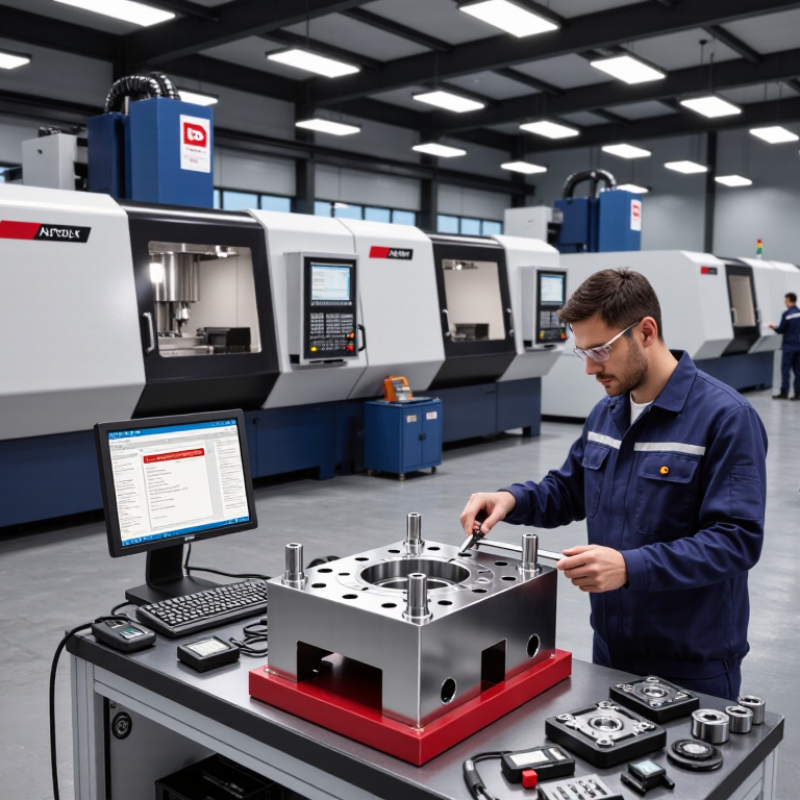
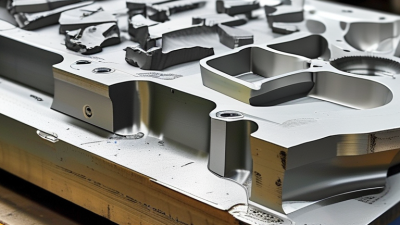
Mold making companies turn product designs into tools for repeatable manufacturing. Their work can include design reviews, CAD/CAM programming, CNC milling, electrical discharge machining, polishing, assembly, and trial runs. They select steel, cooling channels, gates, and vents to suit the material and production volume. A small venting flaw can leave burn marks or short shots. A mold may look precise on screen and still need adjustment after testing.
The industries they serve include packaging, appliances, electronics, medical components, automotive, and metalworking. PlasticsEurope’s Plastics – the Fast Facts 2023 report estimates that global plastics production reached 400.3 million tonnes in 2022, much of it processed into products using molds. OICA reported 93.5 million motor vehicles produced worldwide in 2023, showing the scale of one sector that relies on accurately formed components. These figures indicate manufacturing scale, not mold demand itself. Toolmakers may also produce dies for casting and sheet-metal forming.
Tips: Ask for trial-run results, material recommendations, and maintenance guidance. Check how the supplier handles revisions, too; a clear drawing does not prevent every production issue.
Mold-making suppliers design and manufacture tooling used to shape plastics, metals, rubber, and other materials. Capabilities and specifications vary by supplier and project.
| Mold-making segment | Typical tooling | Common tool materials | Industries commonly served | Typical applications | Buyer considerations |
|---|---|---|---|---|---|
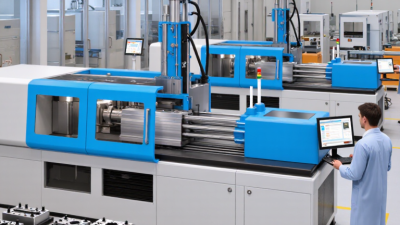
| Plastic injection molding | Single-cavity and multi-cavity molds; family molds; hot-runner or cold-runner systems | Tool steels, pre-hardened steels, and aluminum for some applications | Automotive, consumer products, electronics, medical devices, packaging | Housings, enclosures, clips, caps, connectors, and precision plastic components | Review resin, annual volume, part geometry, surface finish, cavity count, and expected tool life. |
| Die-casting tooling | High-pressure die-casting dies and associated core or insert tooling | Heat-resistant hot-work tool steels are commonly used for die components | Automotive, industrial equipment, appliances, lighting | Aluminum, magnesium, or zinc alloy parts such as brackets, housings, and structural components | Confirm casting alloy, machine constraints, cooling design, venting, and maintenance requirements. |
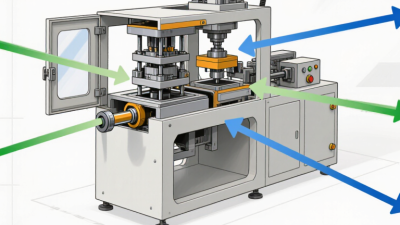
| Compression and transfer molding | Matched molds, transfer pots, cavities, and interchangeable inserts | Tool steels and other suitable metals selected for the molding material and production conditions | Electrical, automotive, aerospace, appliance, and industrial sectors | Thermoset components, electrical insulators, composite parts, and molded housings | Discuss material cure behavior, flash control, parting lines, and loading or automation needs. |
| Blow-molding tooling | Extrusion blow molds and injection blow molds | Aluminum and steel, depending on process, production volume, and cooling needs | Packaging, household goods, personal care, automotive | Hollow plastic containers, bottles, ducts, and tanks | Check container dimensions, neck finish, wall distribution, cooling, and trimming requirements. |
| Thermoforming tooling | Forming molds for vacuum, pressure, or mechanical-assist thermoforming | Aluminum, tooling board, and other materials selected for volume and process conditions | Food packaging, medical packaging, consumer products, transportation | Trays, clamshells, packaging inserts, liners, and large formed panels | Specify sheet material, draw depth, trim method, draft, and required surface detail. |
| Rubber molding | Compression, transfer, and injection molds for elastomer parts | Tool steels and corrosion-resistant materials where the application calls for them | Automotive, medical, construction, industrial equipment | Seals, gaskets, vibration isolators, boots, and flexible components | Confirm elastomer type, shrinkage, flash limits, tolerances, and any material compliance needs. |
Tool-material choices, processes, and industry experience depend on the specific supplier and project. Buyers should verify relevant samples, technical capabilities, quality controls, and delivery requirements during supplier qualification.
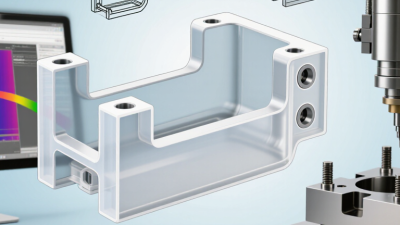
Global buyers should evaluate mold makers by more than quoted price. Strong engineering teams use CAD and mold-flow simulation to review wall thickness, gate placement, cooling paths, and likely shrinkage before machining begins. This often catches design risks early. But simulations rely on correct material data and assumptions; a polished screen image cannot guarantee a trouble-free tool. Ask how engineers validate their models against trial results.
Mold shops may combine CNC milling, electrical discharge machining, precision grinding, and hand fitting to shape cavities and cores. Coordinate-measuring machines check critical dimensions, while trial shots can expose flash, sink marks, or uneven filling. Some suppliers also provide prototype parts, texture finishing, design-for-manufacturing reviews, and production validation. These services matter. Buyers can request inspection records, steel and resin documentation, and a practical maintenance schedule. For international projects, clear drawing revisions and labeled spare inserts help reduce handoff confusion. Still, late design changes or different resin behavior can disrupt a schedule. No tool is flawless. A dependable maker explains these limits early and documents decisions instead of promising effortless production.
A mold making company should be judged by more than its quoted price. Global buyers need to understand how a supplier controls design changes, machining accuracy, and delivery risks. Ask for examples of comparable molds, including material choices, expected cycle life, and inspection records. Details matter. A clear answer is more useful than a polished sales presentation.
Review the supplier’s engineering process before committing. Can its team examine draft angles, wall thickness, cooling layouts, and likely warping risks? Request a sample dimensional report and learn how measurement tools are calibrated. Also ask who approves revisions and how quickly concerns reach the buyer. If explanations remain vague, treat that as a signal to investigate further.
Communication deserves equal attention. Confirm response times, file formats, milestone updates, and the person responsible for technical questions. Request references from customers with similar production needs, then ask what went wrong as well as what went well. No supplier is flawless. A missed detail during evaluation can become an expensive delay, so compare evidence carefully and document assumptions before approving the mold design.
Across major manufacturing regions, mold-making companies often serve different production needs. East Asian suppliers may offer broad capacity and established production networks. European shops are often associated with demanding engineering and close attention to tool details. North American providers may suit buyers who value convenient design discussions and regional support. These are tendencies, not guarantees. Capabilities differ from one factory to another.
Compare more than location and price. Ask how a supplier handles steel selection, cooling channels, venting, and dimensional checks. A sample inspection report can reveal whether measurements are recorded consistently. Request details about mold trials, revision control, and expected maintenance. A polished quotation can still hide gaps in process control. No region is automatically best. Sometimes, buyers overlook communication quality until a late design change causes delays.
Tips: Share 3D files, resin specifications, annual volume, and critical tolerances before requesting quotes. Ask for photos of comparable tooling and a clear trial schedule. Check who owns the drawings and how changes are documented. Then compare responses, not just totals. A slower, clearer answer may be the more useful one.
Choosing a mold-making supplier requires more than comparing quoted prices. Ask how quality is checked at each stage, from steel preparation to trial runs. A useful review may include dimensional inspection reports, material records, and sample parts measured against agreed drawings. Look closely at critical features, such as thin walls or tight-fitting inserts. Small defects can become expensive after production begins.
Cost should include design changes, sampling, maintenance, and shipping—not only the initial tool price. A lower quote may omit work that appears later. That deserves scrutiny. Compare suppliers using the same specifications and payment milestones. Also ask how they handle revisions, since unclear change procedures can disrupt both budgets and schedules.
Capacity and delivery depend on more than machine count. Check whether the supplier has suitable equipment, experienced toolmakers, and room for your project during the required period. Request a schedule with design approval, machining, trial, and correction dates. Confirm how progress is reported and what happens if a sample fails inspection. A realistic buffer helps, though it does not remove every risk. Supplier claims can sound precise; verify them with recent examples and direct technical questions.
Tooling life is one useful capacity and quality-planning indicator when comparing mold suppliers. These broad industry estimates are not guaranteed: actual life depends on mold design, material, resin, operating conditions, and maintenance. Compare them alongside supplier-specific quotes, quality records, and delivery schedules.